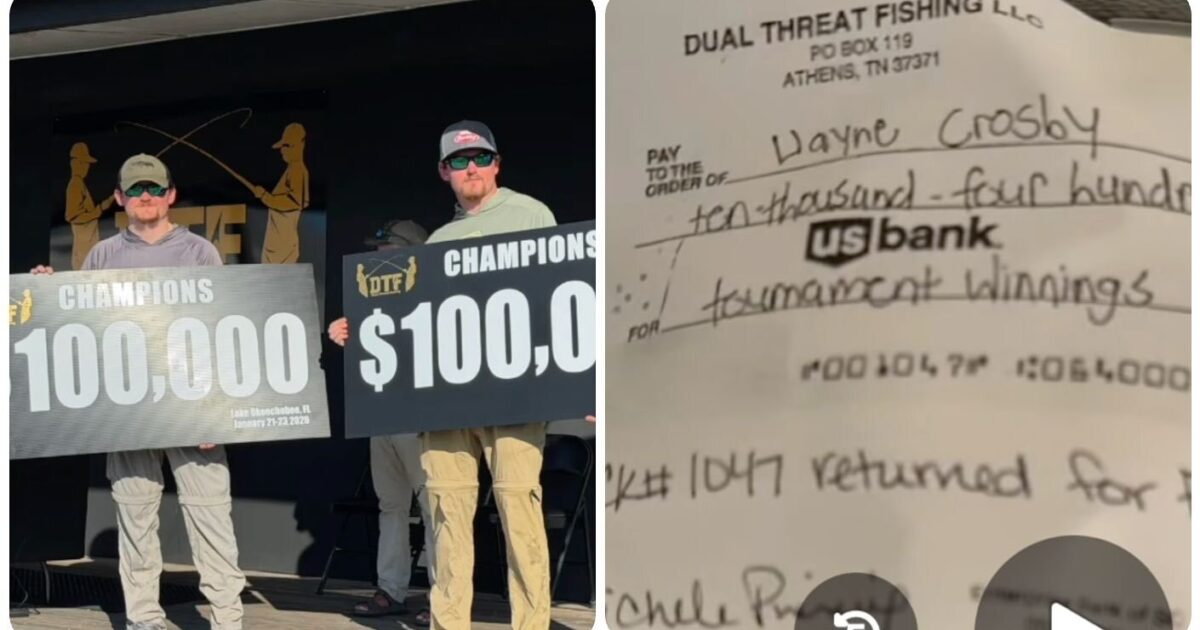
The tranquil waters of competitive bass fishing have been severely disturbed, not by a natural storm, but by a tidal wave of alleged fraud that has left a community reeling. What began as whispers among the angling fraternity has now erupted into a full-blown crisis, with claims of a staggering $1.5 million tournament scam shaking the very foundations of trust. This isn't just a story about lost prize money; it's about the exploitation of passion, the shattering of dreams, and a stark reminder that even in the most beloved pastimes, vigilance is paramount. At the heart of this unfolding drama lies the Dual Threat Fishing Scandal, a case that underscores how easily communities can be exploited when deception is masterfully deployed.
Unraveling the $1.5 Million Dual Threat Fishing Scandal
The competitive fishing scene thrives on camaraderie, skill, and the thrill of the chase. Tournaments, particularly in bass fishing, attract thousands of enthusiastic anglers who invest significant time, money, and emotional energy in pursuing their passion. The promise of substantial prize money, coupled with the prestige of winning, fuels a vibrant ecosystem of events across the nation. It was into this fertile ground that the alleged $1.5 Million Dual Threat Bass Fishing Tournament Fraud cast its deceptive line.
The Bait: Promises of Grandeur and Lucrative Payouts
According to circulating reports, the Dual Threat fishing tournaments were marketed with enticing allure: massive prize pools, promises of professionally run events, and the opportunity for anglers to compete at a high level. For many, these tournaments represented a chance to turn their passion into profit, or at least gain recognition within the community. Entry fees were significant, reflecting the scale of the advertised prizes, which often included large cash sums, boats, and other high-value equipment. Participants, trusting the organizers and the apparent legitimacy of the brand, enthusiastically paid their fees, sometimes traveling across states, investing in specialized gear, and taking time off work, all in pursuit of their dream.
The Hook: Mounting Suspicions and the Unraveling Truth
Initially, any concerns were dismissed as mere rumors, the kind of chatter that can circulate in any competitive environment. However, as promised payouts failed to materialize, communication from organizers became evasive, and excuses mounted, those whispers began to amplify. Anglers who had participated in multiple events reported delays, then outright non-payment of winnings. Social media platforms, often the initial breeding ground for such rumors, quickly became the primary battleground where frustrated participants began to share their experiences. "Receipts" – proof of payment, correspondence with organizers, and screenshots of unfulfilled promises – started to surface, painting a grim picture of systemic fraud. The sheer scale of the alleged deception, impacting countless individuals and totaling an estimated $1.5 million, transformed a few isolated complaints into a widespread community crisis, prompting outrage and calls for justice.
Beyond the Water's Edge: The Anatomy of Deception
The term "dual threat fishing" itself takes on a chilling new meaning in light of this scandal. While it traditionally refers to the intersection of recreational angling and cyber phishing – both requiring patience, strategy, and understanding a target – in this context, it highlights how the very essence of fishing (luring, hooking, reeling in) was twisted into a mechanism for financial exploitation. The Dual Threat Scandal: Unpacking the $1.5M Bass Fishing Fraud reveals a masterclass in human psychology and manipulation.
From Lures to Lies: How Scammers Mimic Phishing Tactics
The parallels between the tournament scam and cyber phishing are striking. Just as cybercriminals craft enticing emails (the "bait") impersonating trusted entities to lure unsuspecting victims into revealing sensitive information, the organizers of the Dual Threat tournaments crafted compelling event promotions and prize structures to "hook" anglers. Both tactics rely on:
- Impersonation: Presenting themselves as legitimate, reputable organizations.
- Enticement: Offering something highly desirable (money, prestige, access).
- Exploitation of Trust: Leveraging the victim's existing trust in a system or community.
- Psychological Manipulation: Creating a sense of opportunity, urgency, or exclusivity that overrides caution.
The Digital Echo: Social Media's Role in Exposing Fraud
While social media was undoubtedly a tool for the scammers to promote their events, it ultimately became their undoing. The decentralized nature of platforms like Facebook, YouTube, and various fishing forums allowed individual anglers to connect, compare notes, and collectively realize they were part of a larger pattern of deception. Videos delving deep into the allegations, "receipts" being shared publicly, and personal testimonies created a powerful, undeniable narrative. This collective digital outcry not only brought the alleged fraud to light but also pressured authorities and media outlets to investigate, demonstrating the immense power of community in the digital age to expose injustice.
The Devastating Impact on the Angling Community
The repercussions of the Dual Threat Fishing Scandal extend far beyond the immediate financial losses. It has left a deep scar on the angling community, eroding trust and fostering a sense of betrayal among passionate individuals.
Financial Ruin and Broken Dreams
For many participants, the money lost in entry fees and associated travel costs represented significant personal investments, often saved over months or even years. Beyond the collective $1.5 million, individual losses could range from hundreds to thousands of dollars. For professional or semi-professional anglers, these events were often critical for their livelihood, sponsorship opportunities, and career progression. The fraud not only stripped them of their money but also of their opportunities, their time, and in some cases, their belief in a sport they loved. The emotional toll of being defrauded, compounded by the feeling of helplessness, is immeasurable.
Restoring Trust: Lessons Learned and Future Safeguards
The path to healing for the angling community will be long. Rebuilding trust requires not only justice for the victims but also a concerted effort to implement safeguards. This incident serves as a stark reminder for both organizers and participants to exercise due diligence. For organizers, it's about transparency, clear communication, and establishing financial accountability. For anglers, it's about being critical, asking tough questions, and verifying claims before committing resources. The resilience of the community, however, is a powerful force, and lessons learned from this scandal will hopefully lead to a stronger, more secure future for competitive fishing.
Protecting Yourself from Fishing Scams (Both Digital and Analog)
The Dual Threat Fishing Scandal serves as a powerful cautionary tale, applicable not just to competitive angling but to any community or individual vulnerable to sophisticated deception. Vigilance and critical thinking are your strongest defenses.
Red Flags to Watch Out For
- Unrealistic Promises: If prize money seems disproportionately high compared to entry fees or the size/reputation of the event, be suspicious.
- Lack of Transparency: Vague rules, unclear payout structures, or evasive answers to specific questions are major red flags.
- Poor Communication: Difficulty reaching organizers, delayed responses, or inconsistent information.
- Pressure Tactics: Urging you to sign up quickly with limited-time offers or discouraging independent verification.
- Unverified Organizers: New entities with no history, or individuals/groups operating under multiple changing names.
- Demands for Unusual Payment Methods: Requests for wire transfers, cryptocurrency, or gift cards, which are often untraceable.
Due Diligence: Verifying Tournaments and Organizers
Before investing your time or money, take these steps:
- Research the Organizers: Look up their history. Have they successfully run similar events before? Check online reviews and forums.
- Verify Contact Information: Ensure phone numbers, email addresses, and physical addresses are legitimate and responsive.
- Scrutinize Rules and Payouts: Demand a clear, written rulebook. Understand how prizes are awarded, when, and by whom. Seek testimonials from past winners.
- Cross-Reference Information: Check if the event is endorsed by reputable organizations, sponsors, or established figures in the sport.
- Consult the Community: Talk to other anglers, especially those who have participated in previous events by the same organizers. Online forums can be invaluable resources for shared experiences.
- Trust Your Gut: If something feels off, it probably is. It's better to miss out on a potential opportunity than fall victim to a scam.
The Dual Threat Fishing Scandal stands as a grim testament to the fact that even in seemingly safe and passion-driven communities, predatory schemes can flourish. The alleged $1.5 million fraud has not only inflicted financial pain but has also cast a long shadow of distrust over competitive angling. As the community navigates the fallout, the call for increased vigilance, transparency, and collective responsibility grows louder. By understanding the anatomy of such deceptions and adopting robust personal safeguards, individuals can help prevent future scams, ensuring that the spirit of competition and camaraderie can once again thrive on the water.